
For years, critics have warned that classical music is fading in a digital era built on short, catchy hits. But rather than disappearing, the genre may be evolving, reshaped by shifting ideas of popularity and value in an increasingly online culture.
When classical music first emerged, it depended on the support of kings, patrons and institutions. Today, economics still shapes what audiences hear.
“There was this infographic, it said ‘What’s killing classical music?’ and [the fading of classical music] started in the Middle Ages,” Professor of Musicology at SMU, Dr. Peter Kupfer Ph.D., said. “It’s always a different thing, what seems like a death of classical music in economic terms is really the realization that it’s just not an economically viable product and never has been.”
Whenever social media is opened, hundreds of catchy songs leap out of the screen, conditioned into audiences based on their digital habits. These catchy songs are usually completely polar from popular music just two centuries ago, a time characterized by Beethoven or Mozart.
“As far as mainstream music now, I feel like it’s taken a kind of a U-turn. It’s completely different,” sophomore orchestra student Samarjeet Singh said. “I would comment and say how a lot of certain styles have influence from classical music, but mainstream music is very different.”
While popular music is ubiquitously played, older pieces of music rarely get into the limelight. However, these older pieces of music offer something entirely different from mainstream music.
“Those [older pieces] have a lot more emotion and different textures and concepts that you can bring out,” Singh said. “I don’t think [popular music] has that kind of grandiose feeling or that brooding feeling that all these older pieces can capture.”
Because of the accelerating digital age that prioritizes catchy pop and rap music, younger generations and classical music are becoming increasingly estranged.
“I’d like to think [classical music] has a place. But just with how the younger generations are being raised, it feels like they’re never going to have any care for this kind of music,” Singh said. “So unless something changes there, then I don’t see it surviving very long.”
Classical music fading, however, isn’t anything out of the ordinary. In fact, thousands of genres created since the Middle Ages constantly die and rebound, usually just in a different manner.
“I think with music, what happens is it cycles,” Band Director Marc Nichelson said. “Basically, any time that someone applies something to make it good, the music gets more complex, and then it fractures again.”
Musical technology, originating from the early 2000’s, transformed the entire place of music in society, making music both more accessible and also stimulating the speed of music production, thus creating even more genres of music.
“What is unprecedented today is the technology,” Kupfer said. “One person can sit down in front of a computer and create a full orchestral score or hip hop, whereas in the past you’d have to find an orchestra. Technology is really what’s unprecedented, but the attitude [that music is fading] is definitely not new.”
Because of the new musical technology and free music streaming apps, people can hold the world’s music library just in their pocket. This in turn, generates great demand for these newer songs.
“The biggest change in the last 30 years is that people are becoming musical omnivores; they just want to listen to lots of different things,” Dr. Kupfer said. “If it moves them, that’s the most important thing, because that’s what will keep people listening to and making music.”
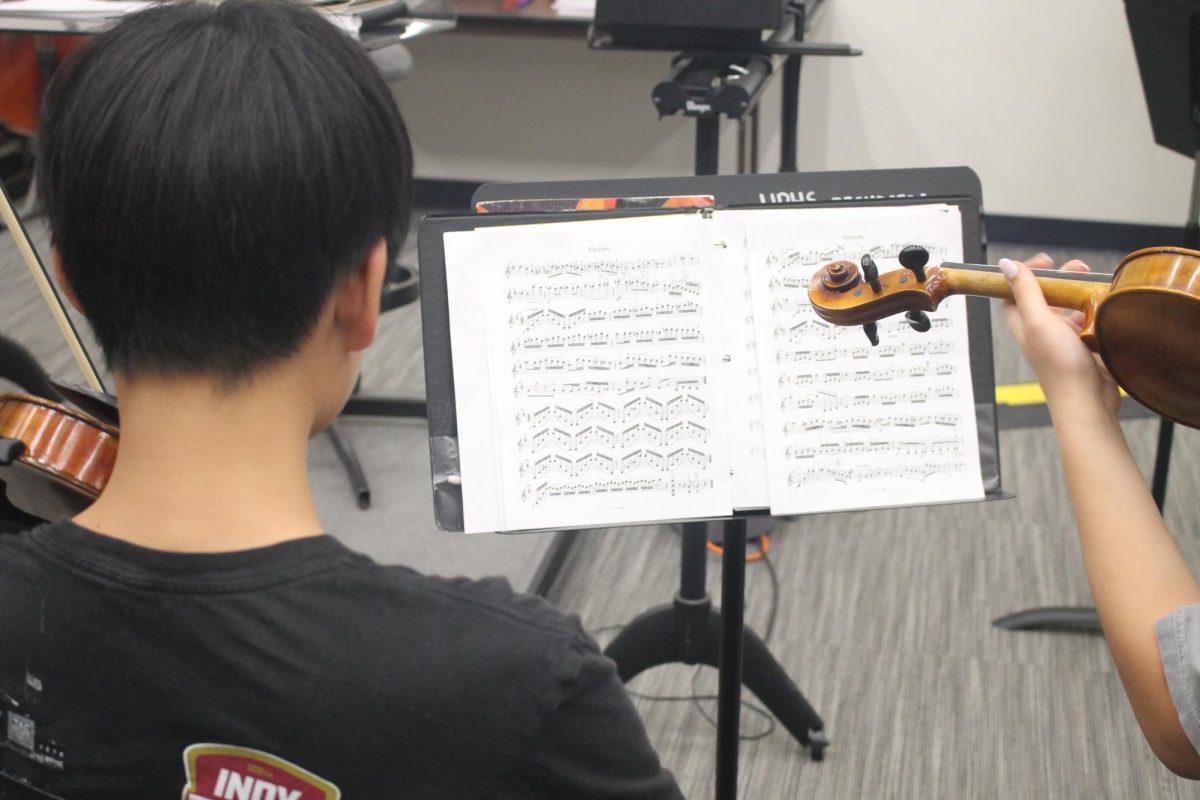
Fine arts in schools and universities, such as band, orchestra and choir, often play classical pieces in order to challenge students because of their complexity. These organizations are fundamental, according to Nichelson, in keeping these types of music relevant.
“Every time we bring big pieces back into existence, back into the limelight, and perform them masterfully, we give life to classical music,” Nichelson said. “It’s like the movie Coco. When they were no longer remembering the afterlife, they would fade away.”
Ultimately, the evolution of the “musical omnivore” suggests that while our tools change in cycles, our need for complexity follows suit. As our world becomes increasingly altered by algorithms and artificial sounds, the concert hall remains one of the only musical hearths for something beautifully authentic.
“Electronic music can be perfect in time and everything like that, but the humanity of creating music that’s not perfect, or creating music where you take a risk in front of people, is something special,” Nichelson said. “That’s why I have great hope. Because you can’t replace humanity.”