
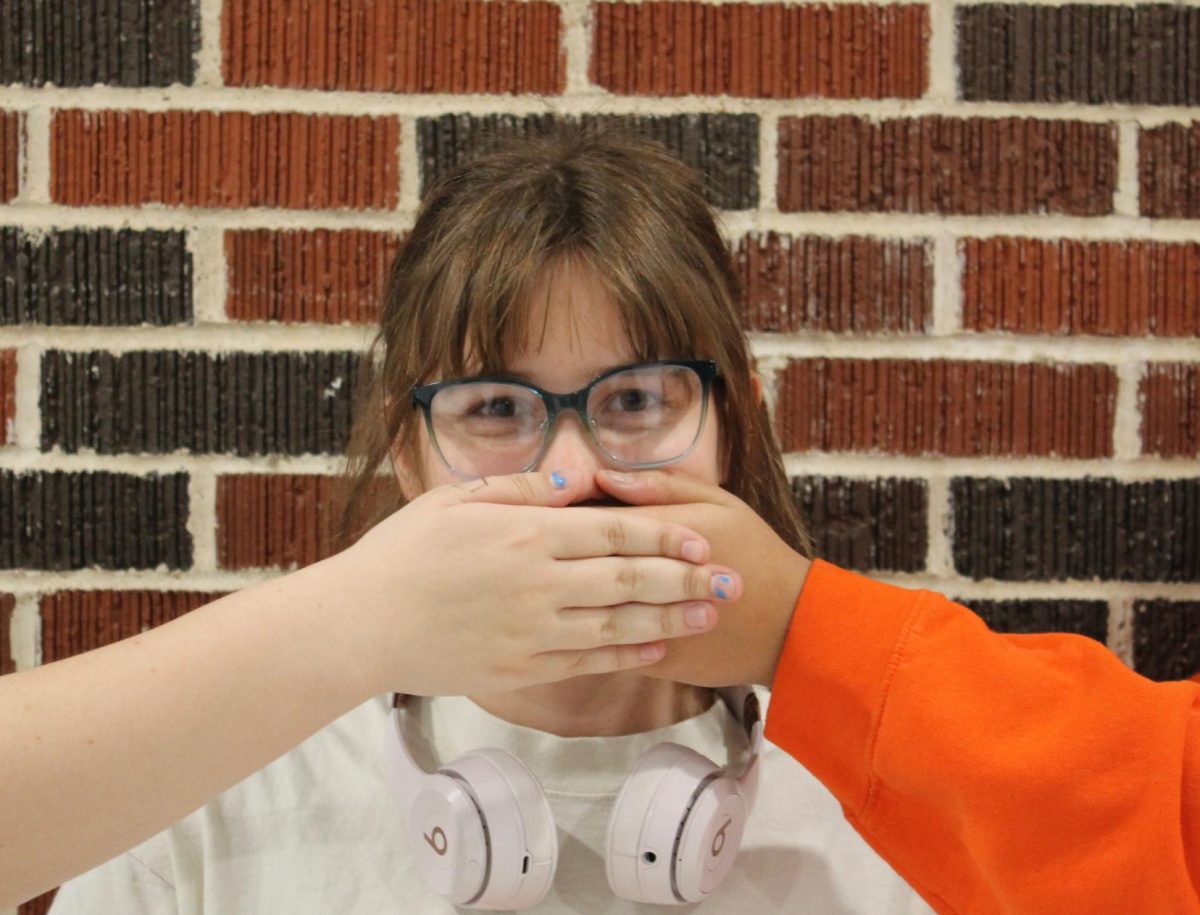
Whether people see the First Amendment as a shield for democracy or simply a line in a textbook, there’s no denying that freedom of speech, more specifically, freedom of the press, is a defining value interwoven into the United States’ past, present, and future. But when journalists begin getting arrested for simply doing their jobs, it raises concerns for how sacred these freedoms are.
Recently, two journalists, Don Lemon and Georgia Fort, were arrested after reporting on protests connected to immigration enforcement in Minnesota. Both journalists were covering a demonstration at a church involving local officials connected to immigration authorities. Their arrests have sparked debates across the country about the limits of the press and the role journalists should assume when covering controversial events.
Some Americans believe the arrests were justified. After all, journalists, like all other citizens, must still follow the law. If reporters cross the line from observing events to actively participating in protests or trespassing on private property, then an arrest would make sense. Maintaining order during tense demonstrations is not easy, and officers often have to make quick decisions to mitigate chaotic situations.
Journalism, by nature, often requires reporters to go directly into uncomfortable and often dangerous situations. From war zones to protests to government hearings, journalists document events that the public is unable to witness firsthand. When reporters are detained for simply covering those moments, it sends a chilling message to Americans both in and out of the field.
The concern is not necessarily centered around the two journalists arrested. Instead, it’s about the precedent such arrests could create for future media coverage. If journalists fear arrest while reporting on protests, government actions, or controversial policies, most will surely start avoiding those stories altogether. And when fewer people are willing to cover difficult issues, the public loses access to this vital information.
This issue should not be viewed through a strictly partisan lens. Freedom of the press is not a solely Republican or Democratic principle; it’s an American one. The First Amendment was written with the understanding that governments, regardless of political party, should never have the unchecked ability to silence criticism or scrutiny from either side.
Simultaneously, a free press also carries the burden of being objective, allowing viewers to establish their own opinions based solely on facts. Journalists must strive to report accurately, ethically, and without inserting themselves in the stories being covered. Trust between the public and the media has already become fragile in recent years, and moments like this will likely further damage that trust opposed to providing an opportunity to reconstruct it.
The arrests of Lemon and Fort highlight a complicated reality: balancing law enforcement, public protest and press freedom is not simple. But the answer cannot be to treat journalists as criminals for documenting events that affect the public.
America’s strength has always come from its willingness to question itself. A free press allows citizens to hold leaders accountable, expose wrongdoing, and better understand the world around them. When that freedom is threatened, it deserves careful attention from people regardless of political affiliation.
Freedom of speech is often celebrated in theory. The real test, however, comes when that freedom protects speech that is uncomfortable, controversial, or critical of those in power. In moments like these, the country must decide whether the First Amendment remains a living principle or just tired words written on paper.