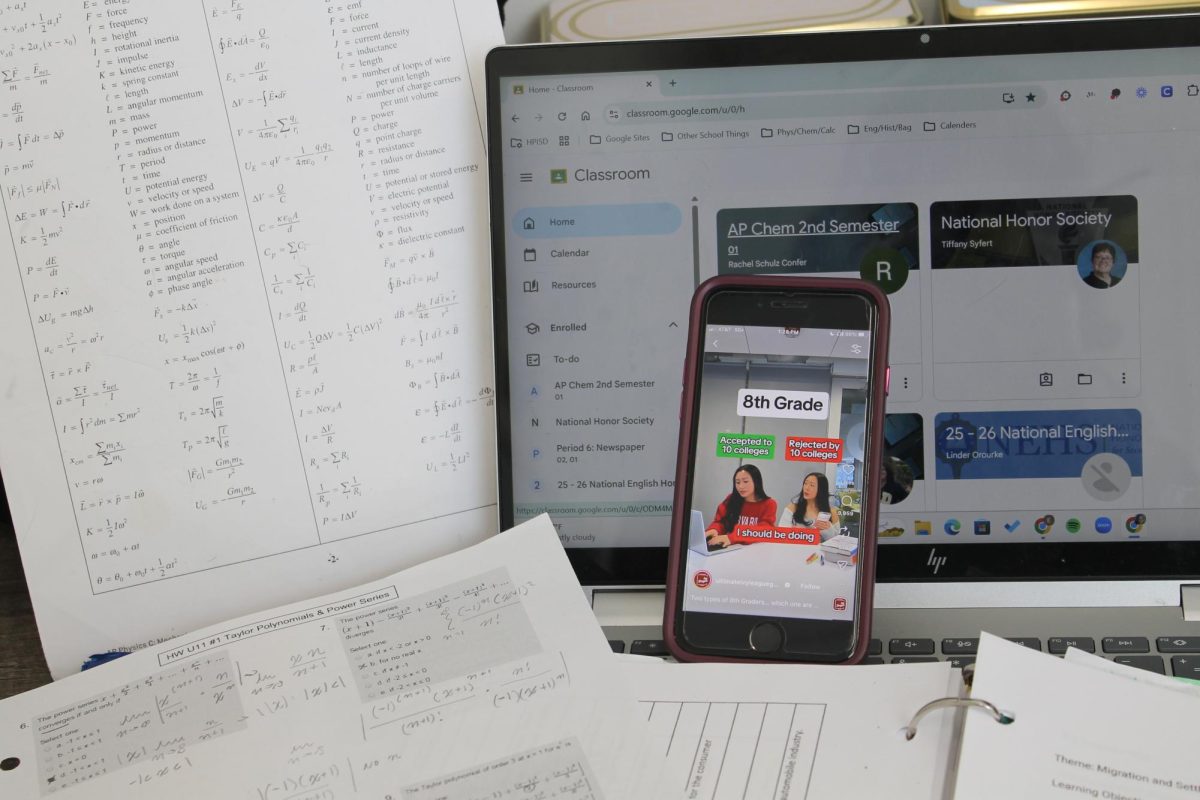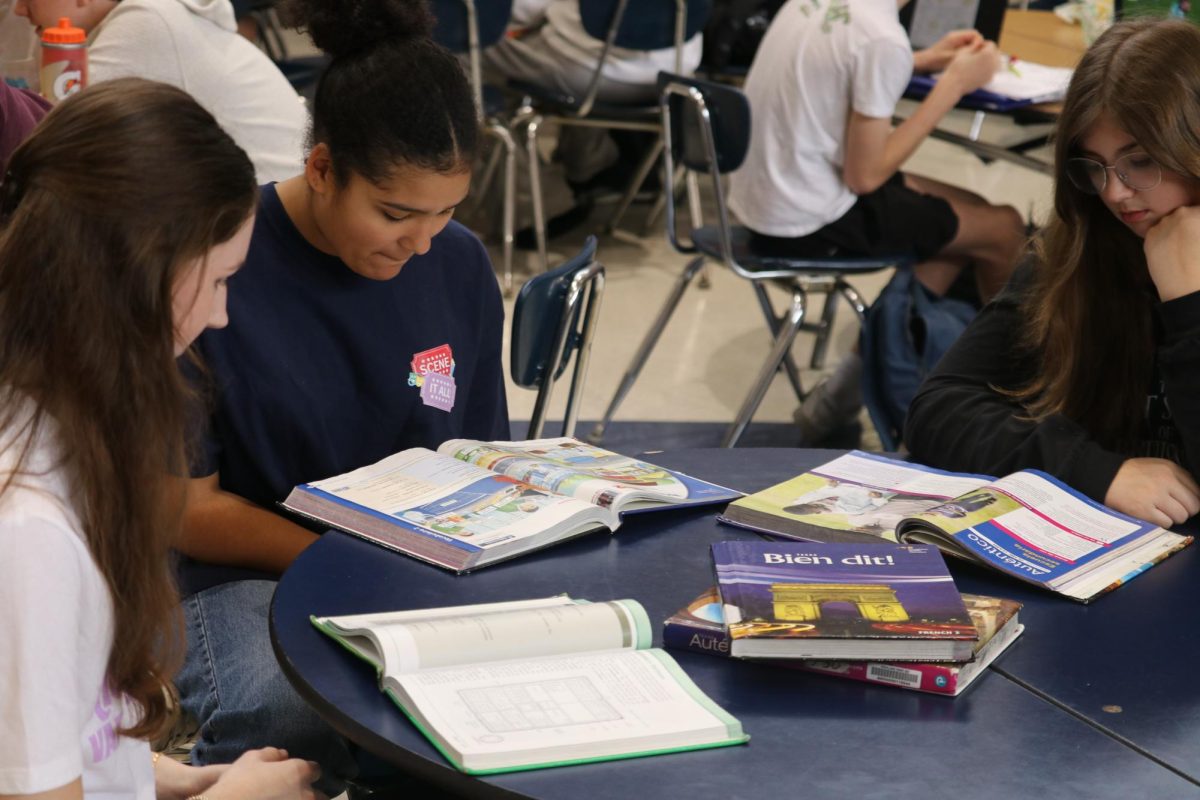

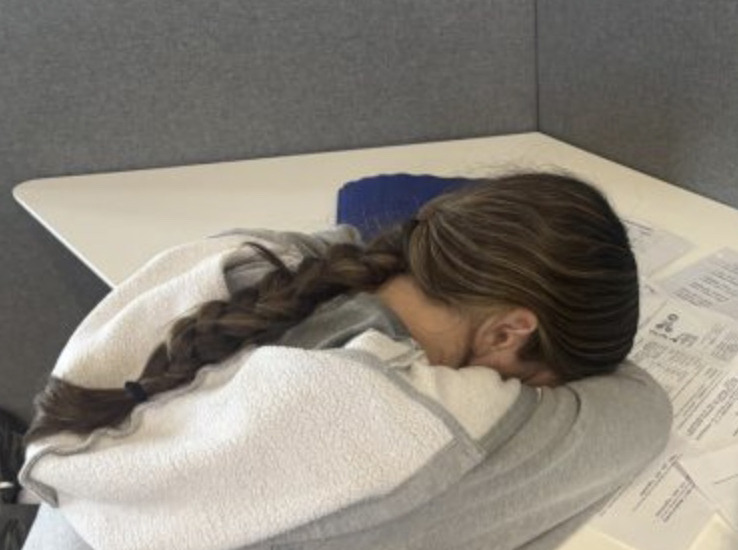
With papers piled, tests approaching, and pressure to maintain a high GPA — all while getting little to no sleep — students are struggling to beat burnout. With the excessive workload given, combined with the demands of extracurricular activities and high-level classes, sleep has become a second priority, and its absence is becoming a feature of the modern high school experience.
“Teens today have so many more requirements to graduate, and to get into the college of their choice. So they’re taking harder, more intense classes,” professional counselor and therapist Sarah Blint-Bravo said. “They’re doing more extracurriculars, and the demand is much more intense for a high school student.”
A lack of rest is the first consequence of a packed schedule, with the struggle to balance hours of homework, with late-night study sessions and early morning alarms.
“I usually go to bed around midnight, and I wake up at 6:00 a.m,” Sophomore Nikhil Khodaparast said. “Mostly school keeps me up, my teachers assign a lot of homework, and something I don’t like is that they’ll stack five tests all in one day.”
While some students try to manage the workload, the exhaustion leads to a cycle of decreased productivity that carries over into the classroom. Feeling tired can make it impossible to maintain focus during lectures.
“I fall asleep during class sometimes,” Kodaparast said. “If I don’t get my work done, then I have to do more work at home, which makes me get less sleep. My attention span gets shorter, and I perform worse in my sport.”
The mental health impact is a growing concern. Beyond just feeling tired, a lack of sleep hits everything from emotional stability to how a student processes what they learn in class.
“Sleep is one of the most important aspects of not only cognitive development, but your healthy mental state,” Balint-Bravo said. “So without sleep, what you’re eating can be affected with weight loss or weight gain, and your ability to pay attention in class is also affected.”
The pressure to maintain a high GPA and a competitive resume outweighs the need for a healthy sleep schedule, also leading to physical exhaustion.
“Typically, the goal is to go to bed by 10:45, but normally I go to bed around 12:30, and then I wake up most of the time at 6:40,” Junior Maddie Prawdzik said.
The constant pressure to perform can lead to severe burnout, especially when year-round activities are involved.
“During tennis season, my schedule gets crowded with tournaments, and I miss a lot of school,” Khodaparast said. “ During the spring season, we have UIL and spring concerts for choir, so my schedule gets really packed.”
The choice to prioritize academics over sleep is a common thing. With college acceptances becoming very competitive, taking advanced classes and spending long hours working on assignments are necessary to support academic goals.
“Taking harder classes helps your GPA, and I think it’s worth losing a little sleep,” Prawdzik said.
The consequences of burnout often don’t show until a student is completely overwhelmed or becomes physically ill. Without rest, the immune system weakens, and the body becomes vulnerable to more illnesses sweeping through schools during flu season.
“They definitely push themselves and say, I’ve got to do homework, and extracurriculars,” Balint-Bravo said. ”Usually when they get really sick, which also is a consequence of not getting enough sleep, they are more susceptible to colds or viruses.”
As students continue to have these heavy loads of work, many believe that changes to the school day or homework policies are necessary.
“I would make it an A day and B Day schedule so that our homework and workload per class is lower,” Khodaparast said.
There is a concern about academic success and how much work is truly necessary. The focus is on whether hours working at night are as valuable as the quality of life.
“We definitely see an increase in anxiety and burnout. A lot of kids do so much in so many areas, and are so involved in high school,” Blint-Bravo said. “So I’d say finding a balance is key in high school, you can learn to pace yourself.”