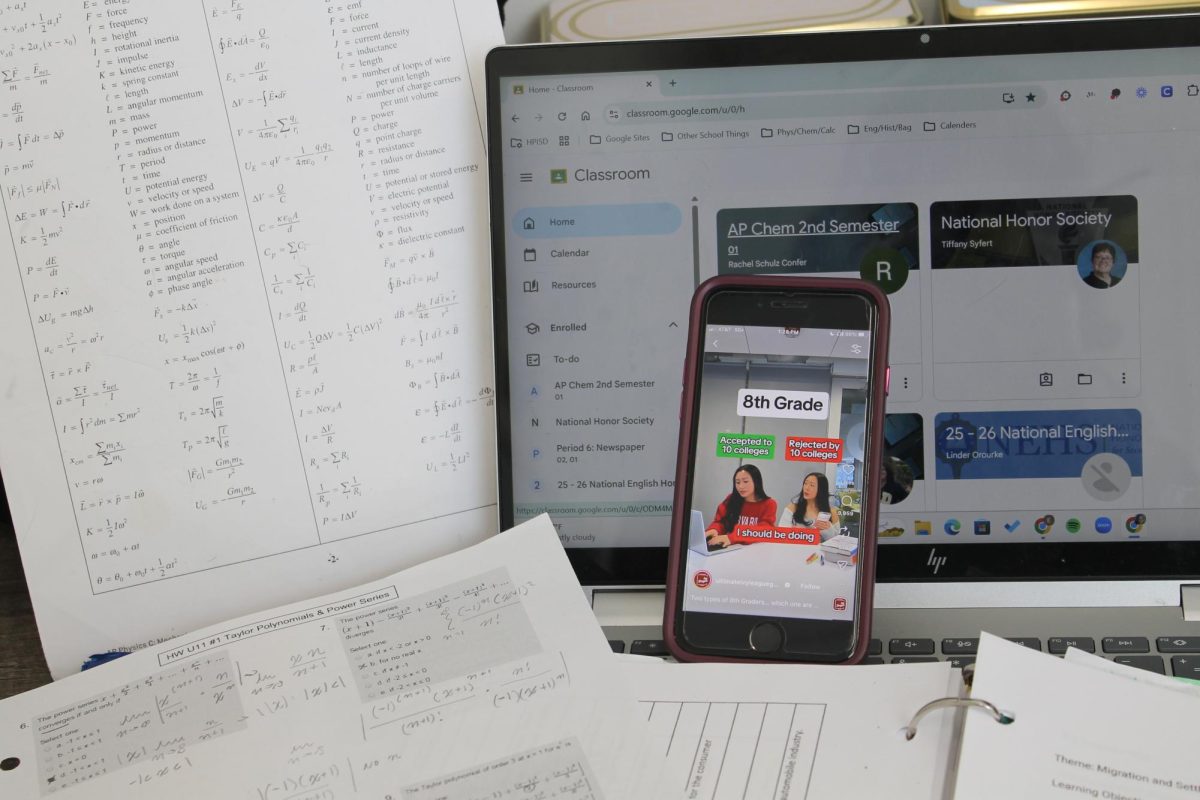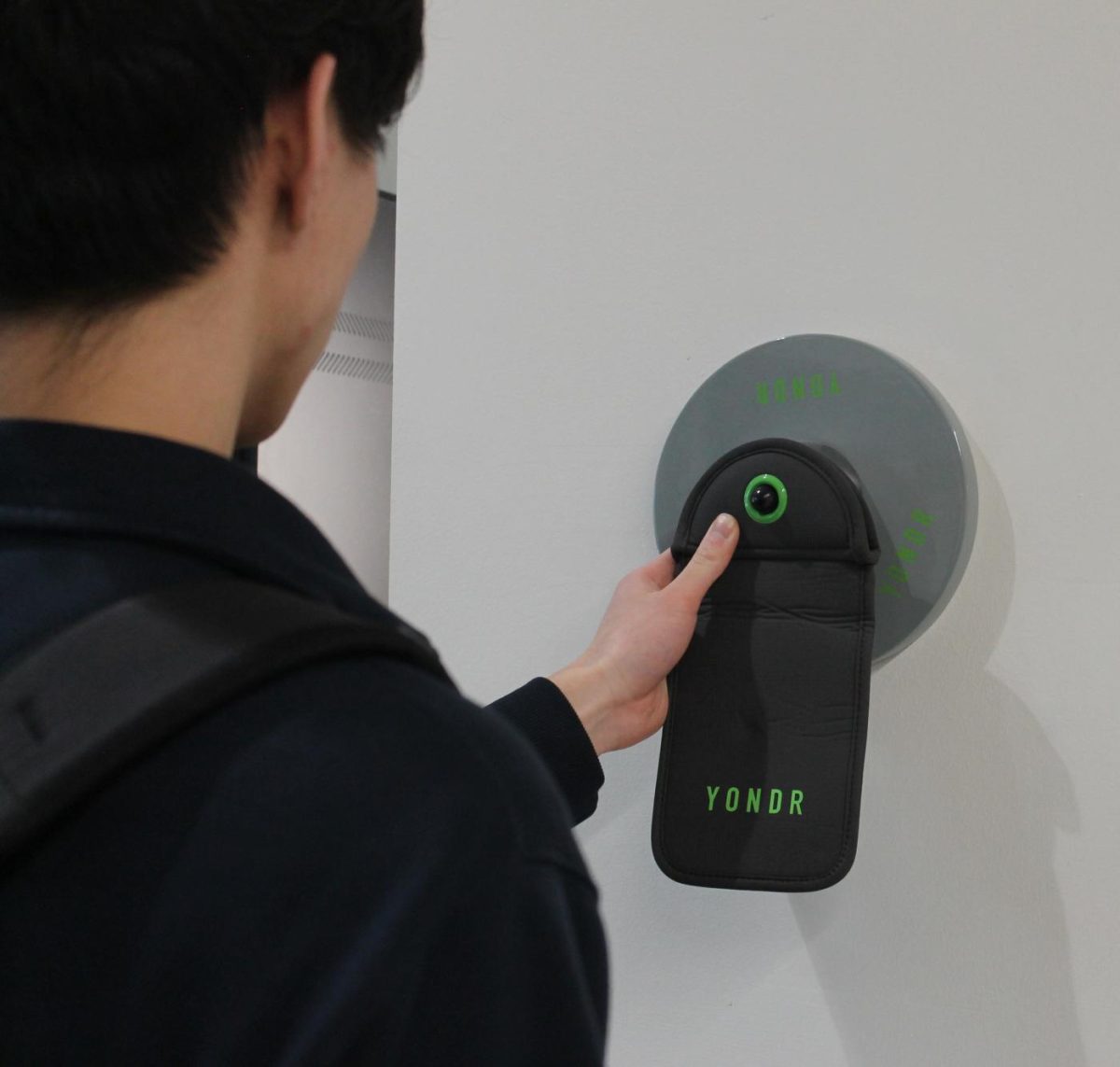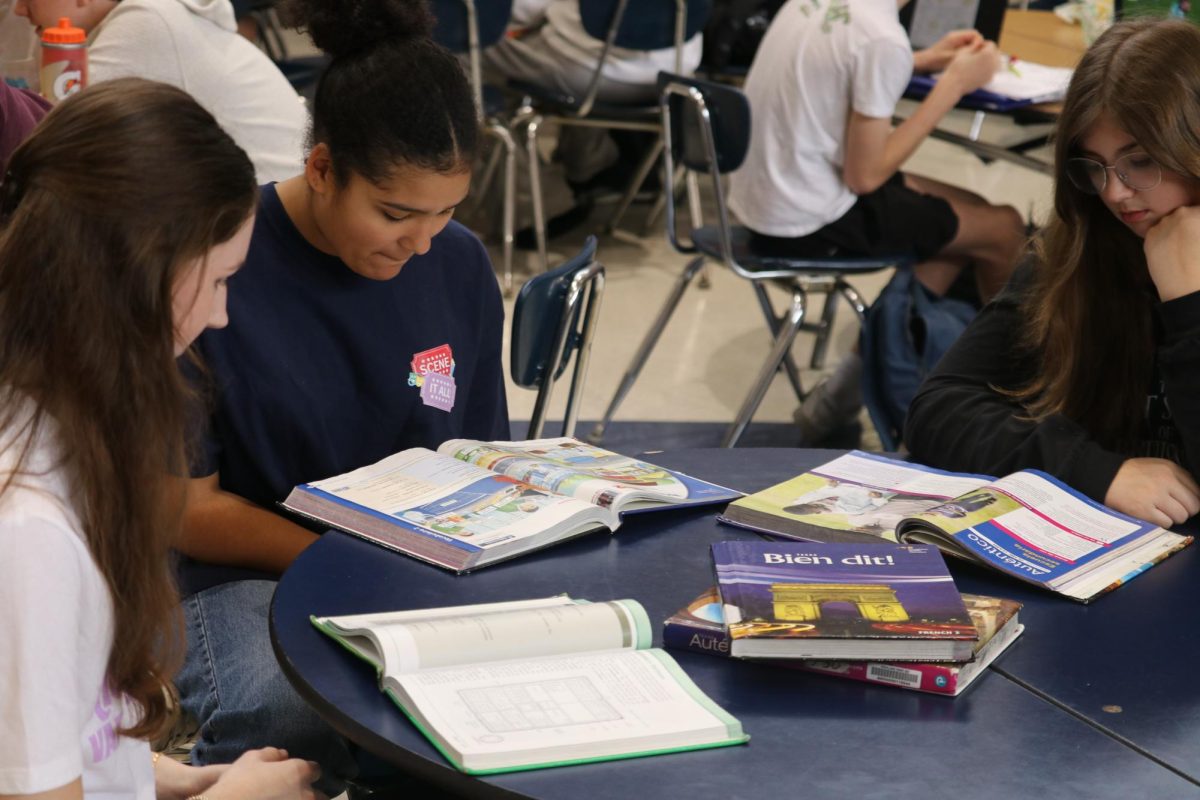

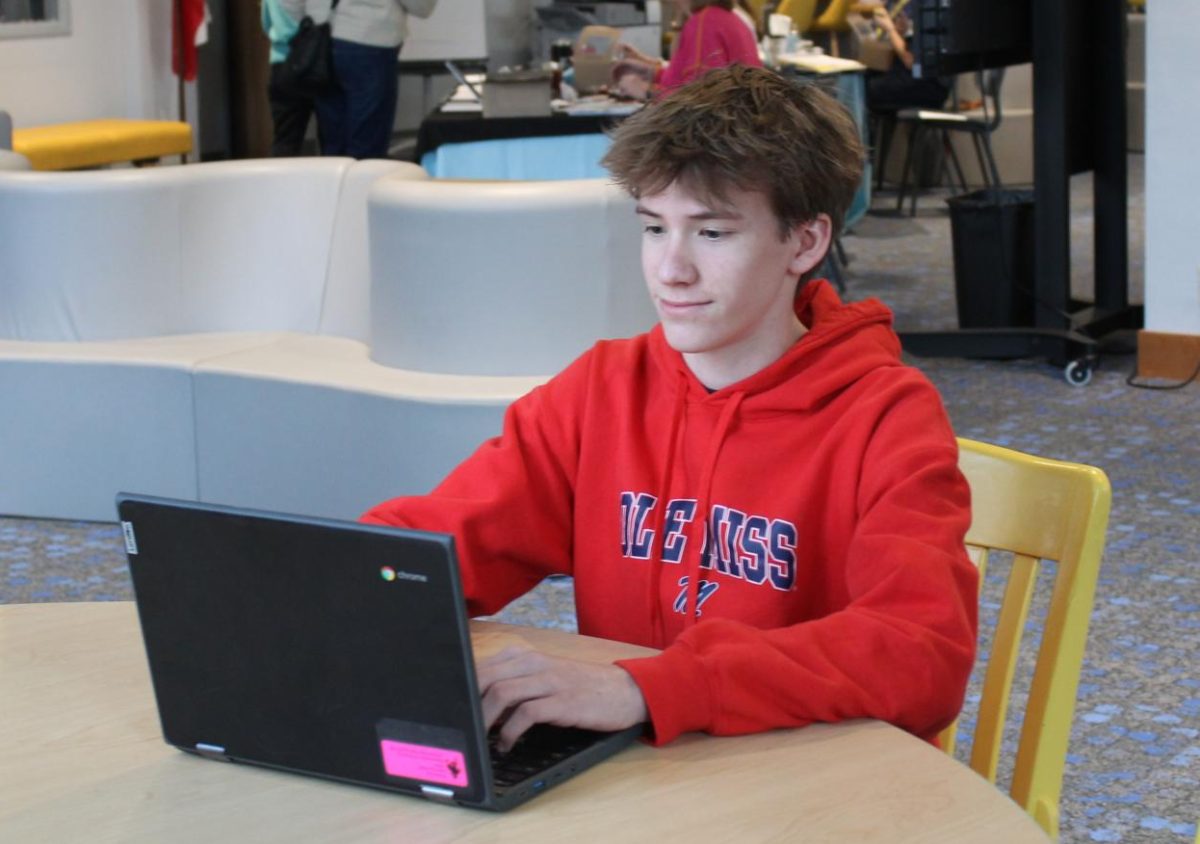
After years of opening personal laptops at the start of class, students may soon be logging into district-issued Chromebooks instead. The proposed shift has already sparked controversy. This proposal would affect the teachers who view personal devices as distracting and give teachers tighter control over technology use during the day.
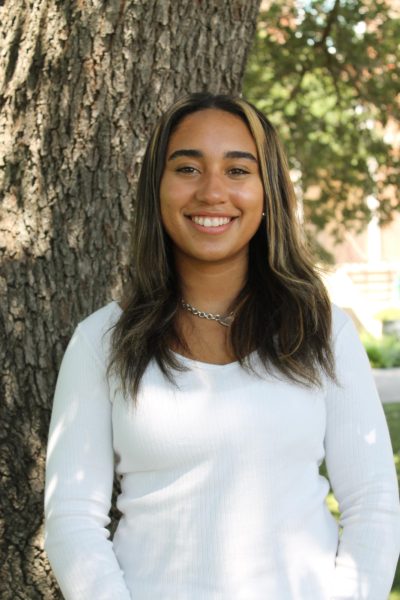
“I was definitely surprised, and I’m disappointed because I bought a high school laptop, and I’m not gonna be able to use it in class,” sophomore Farrah Portteus said.
The proposed change has raised immediate concerns about how the policy might impact tools students already rely on for daily coursework. The shift feels sudden after years of being allowed, and practically required, to bring personal devices on campus.
“There are concerns about House Bill 1481, which is the bill passed back in the spring that requires us to pass local policy prohibiting students from using personal communication devices at school during the school day on school property,” Principal Dr. Kevin Hunt said.
As administrators continue reviewing the implications of the legislation, attention has also begun considering how the policy could affect teachers’ classrooms. Differences in personal laptops can make it more difficult for teachers to monitor screens and keep students focused during their classes.
“I was really happy because I think it will eliminate a lot of distractions,” AP English teacher Melissa Reed said.
The proposed change hopes to improve classroom focus, but it may be impractical. The school-wide wonder is if Chromebooks will match the speed, storage capacity, and software compatibility of the personal laptops many students currently use, particularly in classes that rely heavily on technology.
“A lot of classes might struggle, and I also feel like Chromebooks aren’t as good technologically to work together with,” Portteus said.
One of the potential advantages of issuing school devices is the ability to maintain consistency in the software students use across classrooms. Standardized technology could also allow teachers to better manage what is accessed during instructional time.
“What it’ll do is it’ll allow us to have more control over what’s on the devices,” Hunt said.
The level of access students have during writing assignments has also been an ongoing issue. More control over platforms may affect how assignments are completed.
“I think that [using] the Chromebooks will be more authentic to their actual ability to write because it will actually be their work,” Reed said.
Conversations about personal devices have taken place at the district level for some time. Compliance with communication policies has been one of the issues under discussion.
“The concern at the district level is that we’re not in compliance with the law because of people bringing their own devices and using iMessage and using them to communicate at school,” Hunt said.
The move may create new limitations in classrooms; however, this transition to issued devices could affect certain learning environments.
“I feel like it’ll set us back because we’re going from more advanced [computers], like, MacBooks,” Portteus said.
The policy could also influence how frequently technology is incorporated into daily instruction. Assignments that were previously limited may become easier to manage with monitored devices.
“I might use the laptops more, actually, because right now there’s most things I won’t use them for because they’ll just use AI or cheat,” Reed said.
While the policy aims to create consistency, some programs may not be fully compatible with Chromebooks. Adjustments may be necessary to ensure those courses can still function effectively.
“There’ll have to be some flexibility for certain classes,” Hunt said.
While the devices may create consistency across classrooms, there is worry about responsibility for maintaining school-issued equipment. Adjusting to a new system may also take time for those accustomed to using personal laptops throughout the school day.
“People are being told they are responsible for a laptop that isn’t necessarily owned by them, which is causing me and other students stress that if we crack or break it, the school will be owed money,” Portteus said. “Versus if I were to break my own, I wouldn’t necessarily have to pay unless I needed or wanted it fixed.”
As discussions continue, acknowledgement is needed that adapting to any change in policy can present challenges for students and staff alike. The adjustment period may be difficult for those who are used to constant access to personal devices.
“I know it would be very hard for all of you, especially because you’ve had so many years of just having access,” Reed said. “I’m hopeful that it’ll be nice to be free of distractions for a little bit.”