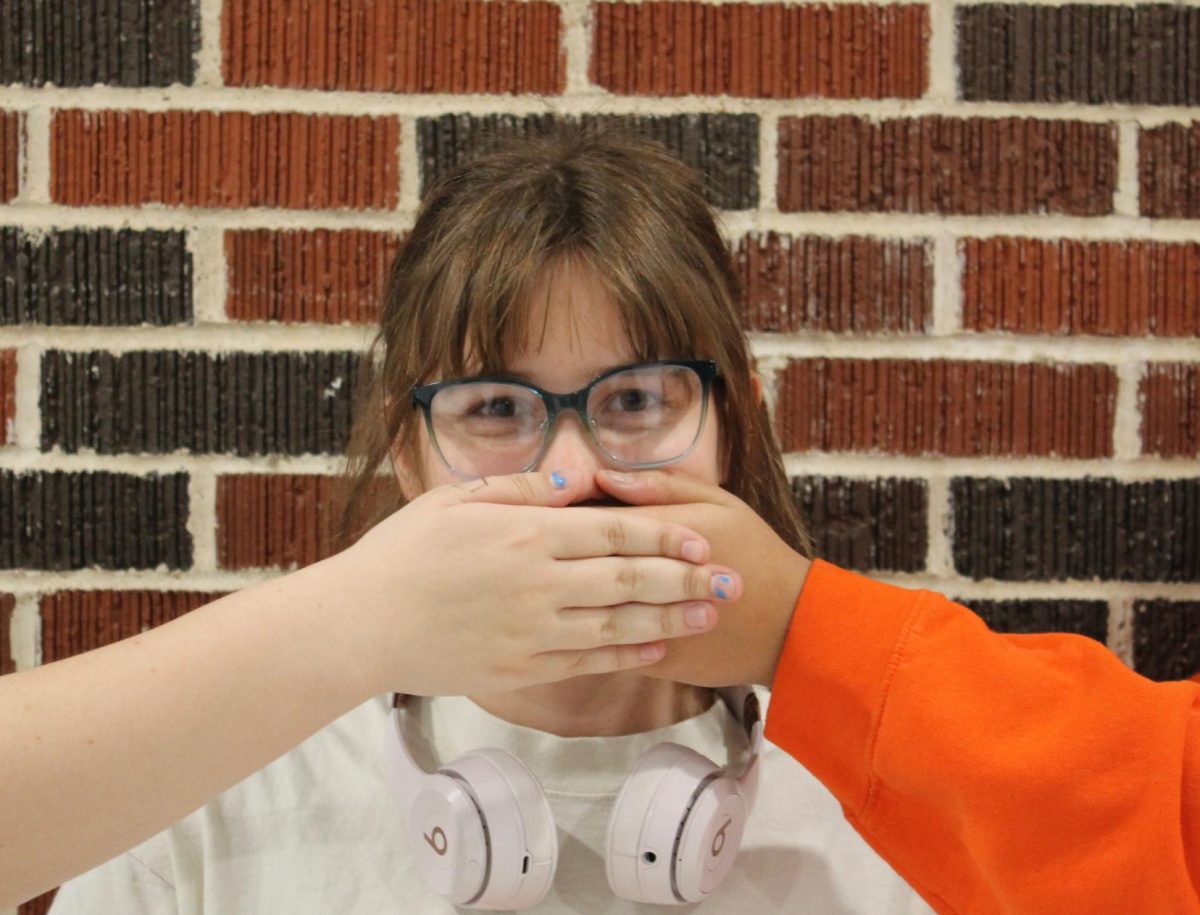

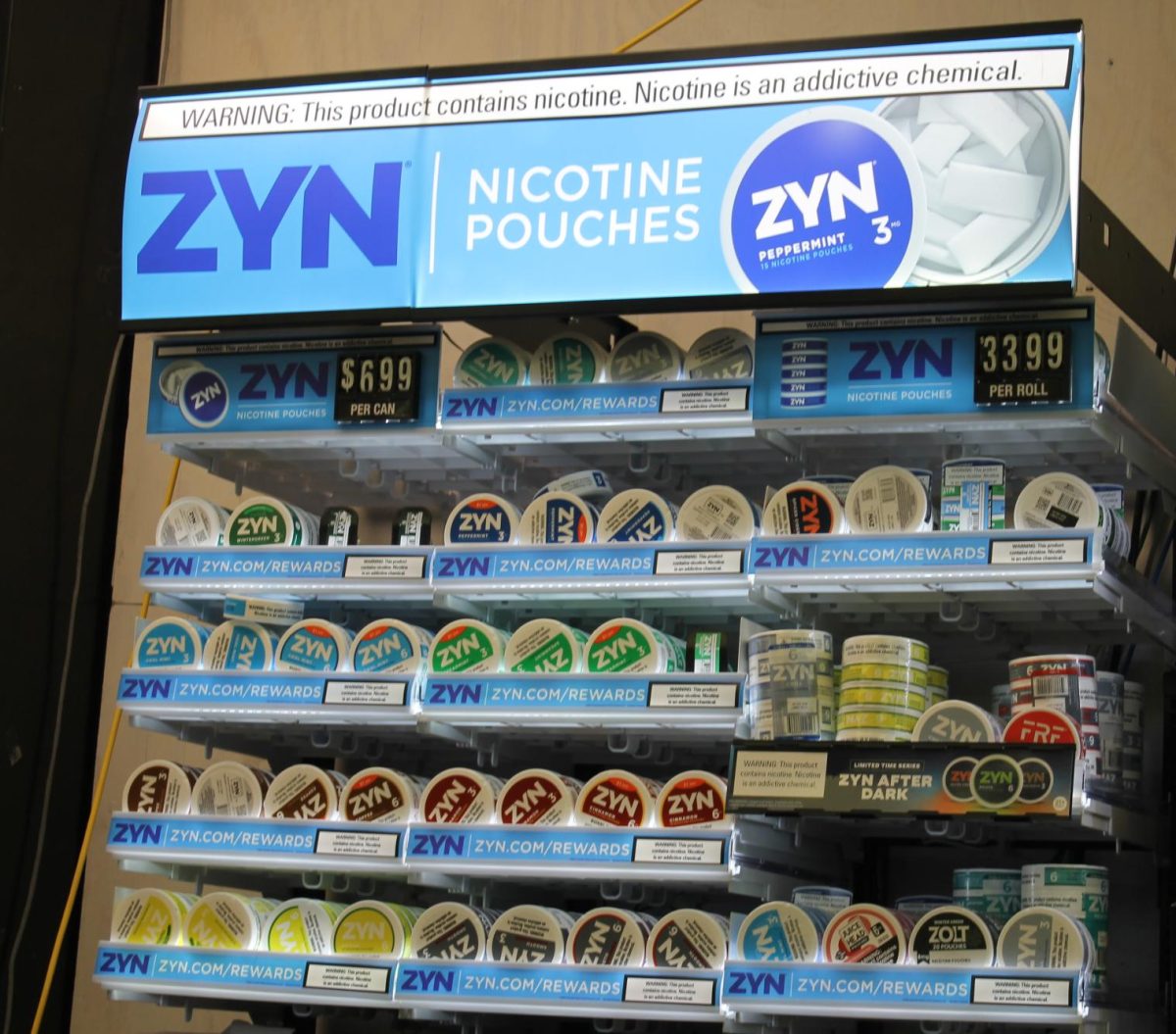
Small white pouches are showing up all over campus. Nicotine pouches, more specifically, Zyns, have become popular among students despite the health risks and school policies against nicotine usage.
“They (students) believe it’s okay or that it’s not a big deal. I just think education on it among students is almost nonexistent.],” school resource officer Michael Bridgewater said.
Nicotine pouches are small packets placed in between the gum and lip, delivering nicotine to the brain without any smoke. Nicotine is an addictive stimulant drug, making people feel more awake and alert. The use of the drug at an early age can cause lasting consequences on health.
“Your brain is still forming, so if you start in high school and continue, it only gets harder and harder to quit. Also, you’re at risk of creating a lifelong addiction versus something that might have come later in life had you started later,” school nurse Casey Hurlbutt said.
Along with the risk of long-term addiction, the amount of nicotine in each pouch is another concern. The concentration found in these products can be surprisingly high for something so small.
“For teenagers, it’s very addictive because of that concentration of nicotine, you can get 2g to 15g of nicotine in just one pouch, and the artificial flavorings they use make it appealing to a younger audience,” Bridgewater said.
Currently, getting caught with any form of nicotine will result in DEAP or in-school suspension, but nicotine patches can be hard to spot.
“There’s really nothing special to adjust. You just address it when you come across it. There’s no special way to detect them,” Bridgewater said. “A lot of times we just come across them during a random search, or by accident.”
Nicotine pouches also harm the mouth and gums. They can cause irritation, inflammation, and irreversible gum recession.
“It’s (Nicotine) going to restrict the blood flow to the tissues in the mouth. Blood flow is a defense mechanism that fights off microbes in the mouth. When you reduce that blood flow, you’re reducing your defenses,” dentist Dr. Travis Spillman said. “It can also decrease circulation to the point where tissues can die off and cause gum recession. You actually lose soft tissue in the mouth.”
The appeal of nicotine pouches being smokeless makes them seem less harmless compared to other forms of consuming nicotine.
“I think they just see it as a little pouch — simple, not going to hurt — but it is banned,” Bridgewater said.
There are also some early warning signs of teenagers using nicotine pouches that students, faculty, and parents alike should be aware of.
“You might see whitening of the tissues where the pouch is placed. It can start to look more like a callus instead of a healthy pink appearance. That’s a good warning sign,” Spillman said.
Nicotine withdrawal creates its own set of challenges. Students who try to quit often struggle with uncomfortable and unexpected symptoms.
“Nicotine withdrawals can include restlessness or feeling jumpy, trouble sleeping, and irritability. I would say irritability is probably the biggest one, also anxiousness or feeling depressed,” Hurlbutt said.
Along with dental issues, Nicotine can also affect a teenager’s developing brain because nicotine is a highly addictive drug.
“The biggest thing is that because teenagers’ brains are still developing, nicotine can rewire the brain. It causes earlier addiction and permanent lower impulse control, which is something we obviously need. It also impairs cognitive function, attention and learning,” Hurlbutt said.
Another problem is Zyn pouches are often not disposed of properly and are being left behind in unsanitary places for others to find.
“Mainly, I’m seeing them in the boys’ restroom, in the urinals. A lot of times, you also see them stuck under desks,” Bridgewater said.
Since the rise of Zyn pouches and other brands of nicotine pouches was fairly recent, the long-term effects compared to vaping are still being studied.
“There’s just not enough data yet. I suspect orally it’s going to be better than smoking, but we don’t have the research to confirm that,” Spillman said.
The discarded pouches in urinals and under desks are more than just a litter problem; they represent a hidden cycle of dependency that is often invisible until the effects become permanent. This deceptive “innocence” is what makes the habit so difficult to break once it starts.
“People often start because they’re looking for a small high, and since it’s legal for those 21 and older, it can seem harmless,” Hurlbutt said. “But the reality is that you are essentially rewiring your brain; trading your long-term focus and independence for a chemical you can’t walk away from.”