
When Olympian Gold Medalist Earl Young turned 71-years-old, he was diagnosed with Acute Myeloid Leukemia, an aggressive form of blood cancer that creates dysfunctional white blood cells, blocking out healthy ones. Fortunately, thanks to a woman in Germany, Earl was able to receive the blood transfusion he needed to continue living, and has since dedicated his life to raising awareness about leukemia and blood drives.
“We are a nonprofit dedicated to raising awareness and educating people about registering as potential blood stem cell donors,” Executive Director of Earl Young’s Team Amy Roseman said.
Since its inception, Earl Young’s Team has registered nearly forty thousand potential donors and had nearly two hundred matches. A common misconception about these drives is that you donate blood while you’re there. However, the process for registering is simple, taking no more than five minutes and involving no needles or blood. All you have to do is get your cheeks swabbed, and you’re in the DKMS (Deutsche Knockenmarkspenderdatei) database.
“You do one swab on one cheek for a minute, the other on the other cheek for a minute, and then you do it around your mouth for a minute,” Earl Young’s Team Officer Dylan Roy said. “Then you put your swabs in a little container and seal it, you put it in with all of your information, and then if you are chosen as a match, DKMS keeps your information in their system forever.”
Many students might hesitate to register, citing either a fear of needles or the unlikelyhood that they would be chosen. However, Earl Young’s Team would argue otherwise, and only about 5% of people who register will be chosen.
“It’s really just more doing this for other people,” Roy said. “You can be unselfish for five minutes and sign up for something that could save someone’s life.”
Some students may also be unable to donate, whether it be due to a blood disease or a fear of needles; these students can still spread awareness.
“We desperately need help raising awareness,” Roseman said. “You can find someone to sign up in your place, you can follow us on social media and share our stories.”
Among the countless lives saved by Earl Young’s Team was Danielle Stephens, who was diagnosed with Myelodysplastic Syndrome in 2013 at the age of 39. Myelodysplastic Syndrome, or MDS, is a type of blood cancer where immature blood cells in the bone marrow do not mature or function properly, which leads to low blood cells. This diagnosis completely disrupted her day-to-day life.
“I hadn’t been feeling great. But, you know, obviously being diagnosed with cancer was not really on my radar,” Stephens said. “They told me if I did not find a donor, I had eighteen months to live.”
For Stephens, this was unbearable. Being forced to be away from her family, unable to play with her kids, and stuck to a routine of constant checkups and tests.
“It’s just really, really important for people to get educated and just join the registry and hope they get called,” Stephens said. “And, if they do know that they’re saving someone’s life, a little bit of discomfort or nervousness is really going to pay off and affect someone and all their loved ones.”
However, thanks to a blood drive held by the DKMS, in which over 2000 people registered, one of the largest blood drives in DKMS history, Danielle was able to find a match.
“It was amazing, just all the work that my family and friends did to promote the drive,” Stephens said. “I mean, they were like walking carpool lines at every school, you know?”
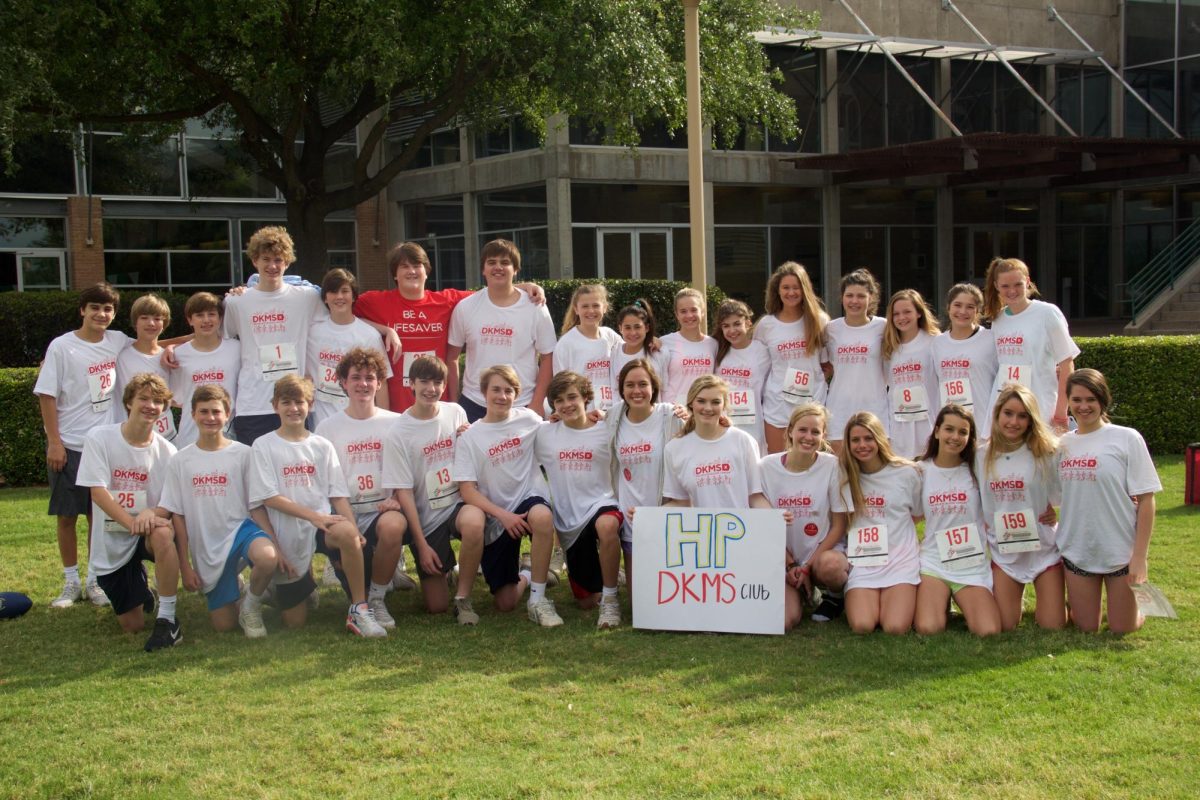
Earl Young’s Team will continue to fight blood cancer in every way they can, but they can’t do it alone. Anyone who can donate or spread the cause is directly or indirectly saving a life. Whether you donate directly, get registered, join the club, or tell your friends about it, everything you do is helping someone continue living.
“We always say in our group that if you give blood, the pain of giving blood is temporary,” Roy said. “But the feeling of saving a life is forever.”